Aging-associated diseases
Diseases increasing with age, distinct from aging itself.

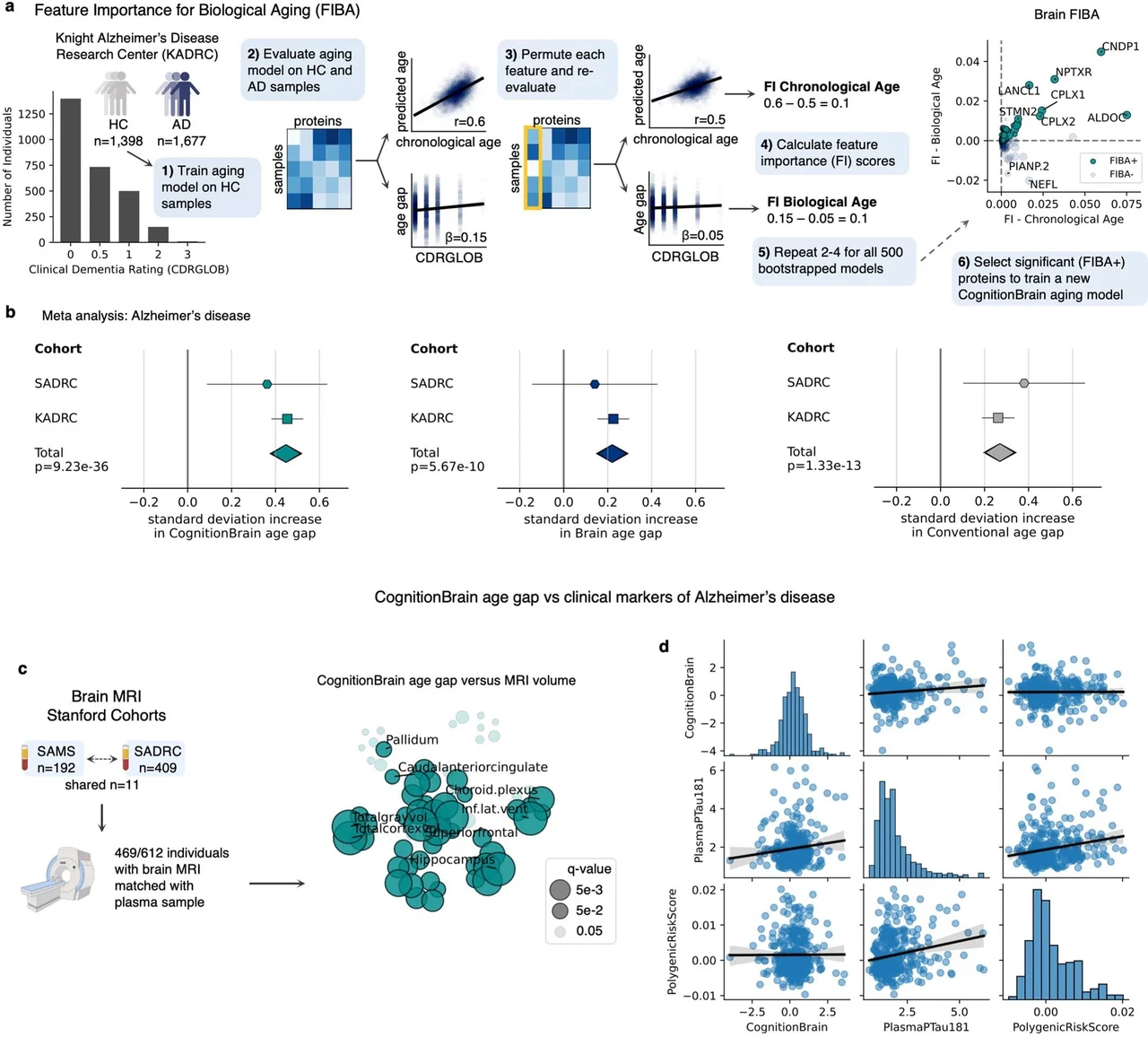
Authors of the study: Hamilton Se-Hwee Oh, Jarod Rutledge, Daniel Nachun, Róbert · CC BY 4.0
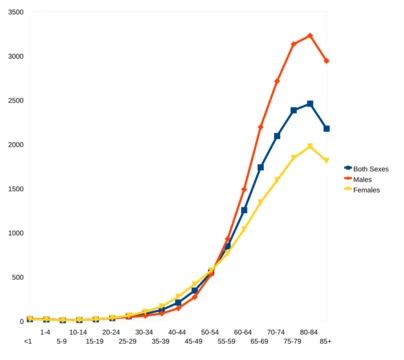
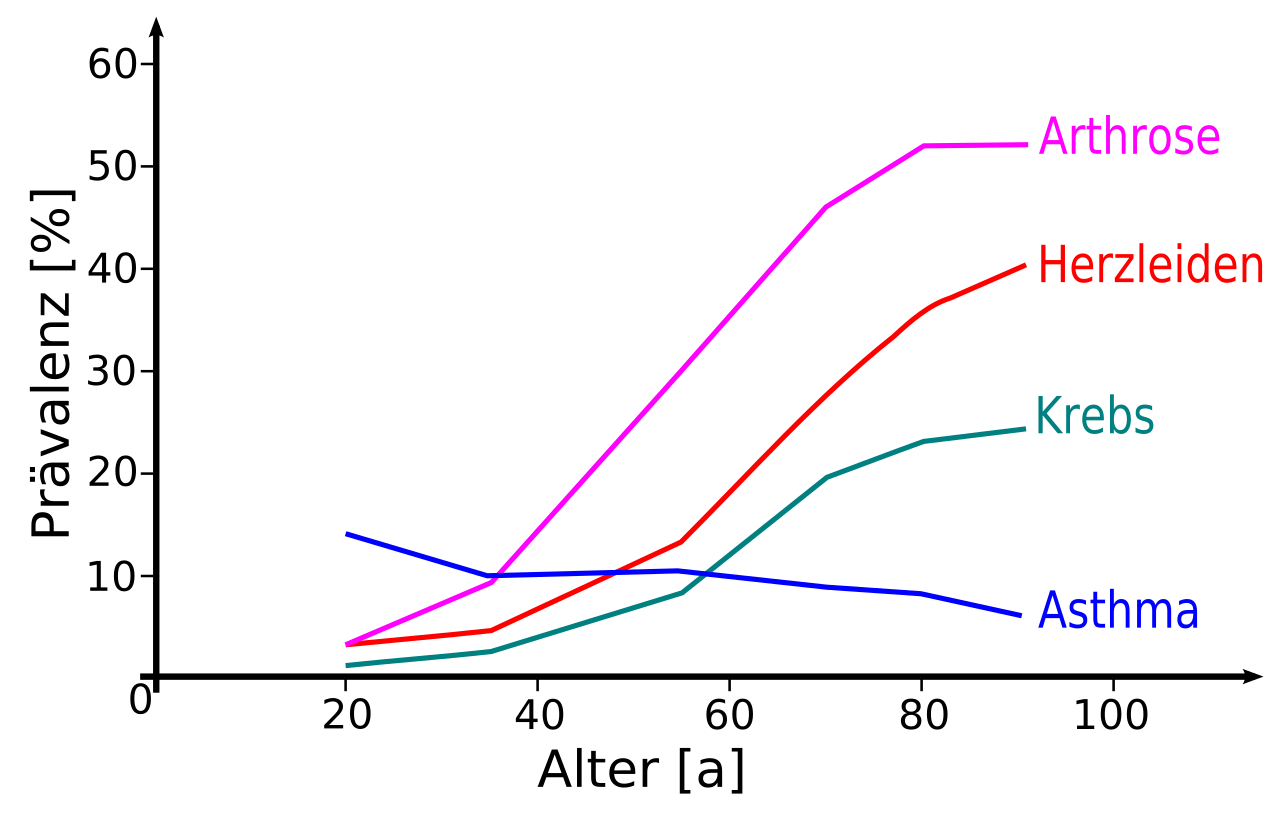
Aging-associated diseases—also called age-related diseases—are health conditions that become more common as organisms grow older. They are complications of senescence, distinct from the aging process itself: while nearly all adult animals age, not every individual develops every one of these diseases. The term excludes age-specific illnesses like chickenpox or measles, as well as accelerated aging disorders, which stem from genetic mutations. Common examples include atherosclerosis, cardiovascular disease, cancer, arthritis, cataracts, osteoporosis, type 2 diabetes, hypertension, and Alzheimer's disease. Worldwide, about two-thirds of daily deaths—roughly 100,000 out of 150,000—are linked to age-related causes; in industrialized nations, that figure climbs to 90%.
Patterns of these diseases vary across species and individuals. By age 3, around 30% of rats have had cancer, while by age 85, about 30% of humans have. Alzheimer's disease appears in humans, dogs, and rabbits, and while natural Alzheimer's-like disease is rare in wild rodents, transgenic rodents are commonly used in research and can develop amyloid plaques and tau pathology. Elderly rodents typically die from cancer or kidney disease, not cardiovascular disease. In humans, cancer incidence rises exponentially with age for most types, but often plateaus or declines at very advanced ages (e.g., 80+), though patterns vary by cancer type. People with segmental progerias—genetic conditions that mimic accelerated aging—face distinct disease profiles. Those with Werner's syndrome develop osteoporosis, cataracts, and cardiovascular disease but not neurodegeneration or Alzheimer's. Individuals with Down syndrome are prone to type 2 diabetes and Alzheimer's, and also have a higher risk of cataracts and osteoporosis, though hypertension may be less common. In Bloom syndrome, most affected individuals die from cancer.
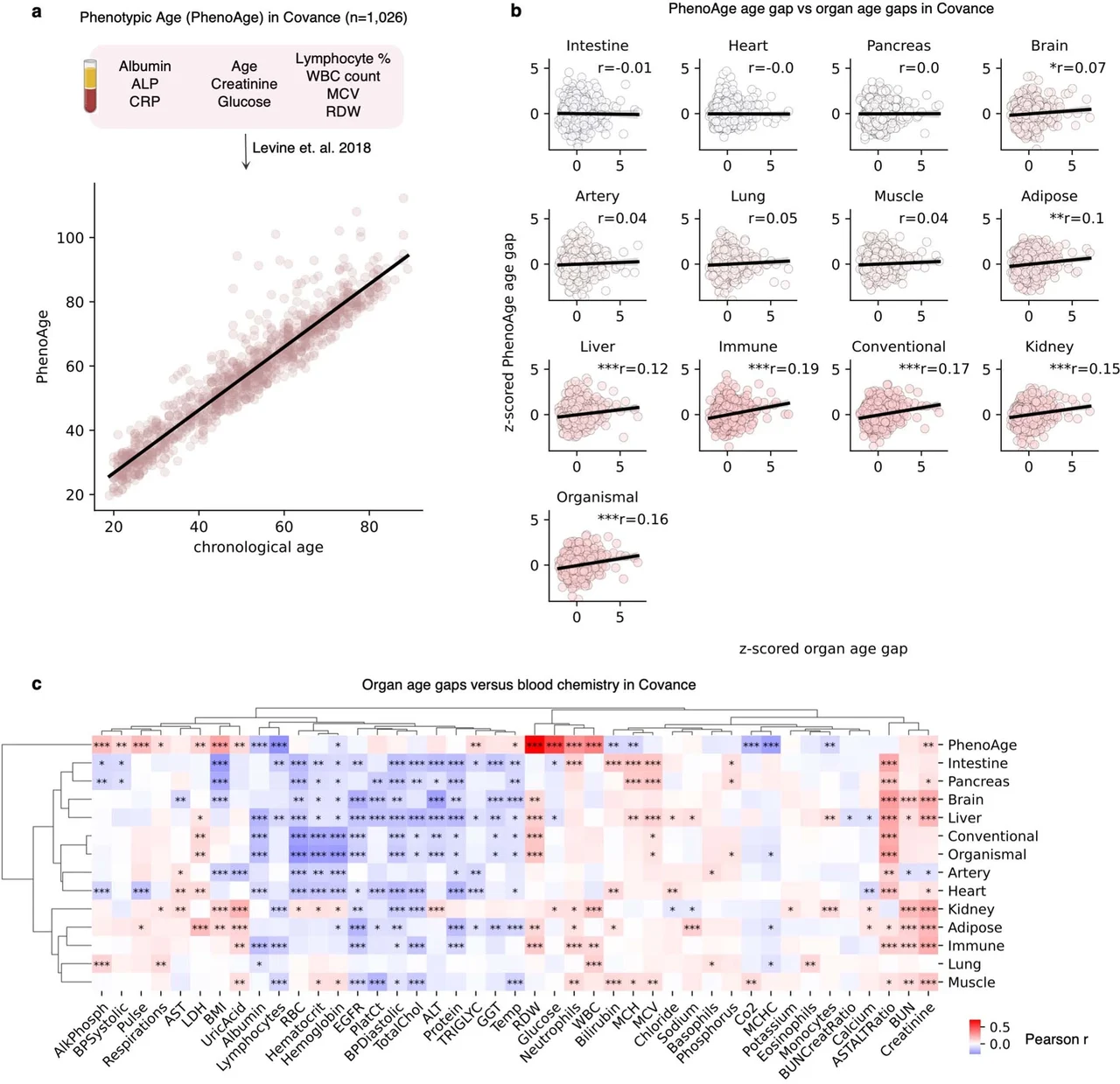
Research into aging-associated diseases focuses on how senescence increases vulnerability, while genetics shapes resistance both across species and within a species. Some age-related changes, like graying hair, are not directly linked to higher mortality, but some biogerontologists argue that the underlying processes driving such changes also raise mortality in other organ systems. They believe that studying age-related diseases can illuminate the biology of senescence, much as studying childh
- field
- Gerontology and medicine
- known_for
- Diseases increasing exponentially with age, including cancer, cardiovascular disease, Alzheimer's, and osteoporosis
- key_fact
- About 100,000 people die daily from age-related causes globally
- example_diseases
- Atherosclerosis, cancer, arthritis, cataracts, osteoporosis, type 2 diabetes, hypertension, Alzheimer's disease
Lore & Background
Patterns of aging-associated diseases vary across species. By age 3, about 30% of rats have had cancer, whereas by age 85 about 30% of humans have had cancer. Humans, dogs, and rabbits get Alzheimer's disease, and while natural Alzheimer's-like disease is rare in wild rodents, transgenic rodents are commonly used in research and can develop amyloid plaques and tau pathology; elderly rodents typically die of cancer or kidney disease, not cardiovascular disease. In humans, the relative incidence of cancer increases exponentially for most cancers but often plateaus or declines at very advanced ages (e.g., 80+), though patterns vary by cancer type. People with segmental progerias are vulnerable to different sets of diseases: those with Werner's syndrome experience osteoporosis, cataracts, and cardiovascular disease but not neurodegeneration or Alzheimer's. Individuals with Down syndrome are prone to type 2 diabetes and Alzheimer's, and also have a higher risk of cataracts and osteoporosis, though hypertension may be less common.
Reader's Guide
Aging-associated diseases are central to understanding senescence and mortality. Research indicates that aging increases vulnerability to these diseases, while genetics determines vulnerability or resistance between species and individuals. Some age-related changes like graying hair are said to be unrelated to increased mortality, but some biogerontologists believe the same underlying changes that cause graying hair also increase mortality in other organ systems. Strategies for engineered negligible senescence (SENS) aim to repair root causes of age-related illness and degeneration, identifying seven types of aging-related damage, though critics argue the aging process is too complex for SENS to be scientific or implementable soon. DNA damage has emerged as a major culprit in cancer and numerous other aging-related diseases, with outcomes depending on type, amount, location, cell type, cell cycle stage, and available DNA repair processes. The study of these diseases advances knowledge of senescence, much as childhood diseases advanced understanding of human development.
Did You Know?
- Of the roughly 150,000 people who die each day globally, about two-thirds die of age-related causes.
- By age 3, about 30% of rats have had cancer, whereas by age 85 about 30% of humans have had cancer.
- People with Werner's syndrome experience osteoporosis, cataracts, and cardiovascular disease but not neurodegeneration or Alzheimer's disease.
- The prevalence of metabolic syndrome reaches close to 50% of people over 60 years old in the USA.
The Nomenclature Revolution: From NAFLD to MASLD
The reclassification from NAFLD to MASLD represents a significant shift in how the medical community conceptualizes this chronic liver condition. As of 2023, steatotic liver disease (SLD) serves as an umbrella term encompassing subcategories defined by fat accumulation in more than five percent of hepatocytes. When at least one metabolic risk factor is present alongside that steatosis, the condition is specifically termed MASLD. The updated taxonomy also introduces MetALD for cases where both metabolic dysfunction and increased alcohol intake contribute, clearly separating it from alcohol-related liver disease in which alcohol is the predominant cause. This framework further distinguishes MASLD from other etiologies including drug-induced liver injury, cryptogenic SLD, and monogenic diseases. The severity spectrum extends to MASH, the renamed NASH, indicating steatosis combined with inflammation and sometimes fibrosis. The nomenclature shift reflects a broader effort to move away from the older NAFL and NASH terminology toward a more precise, mechanism-based classification system.
The Progression Spectrum and Reversibility
MASLD can progress to MASH, with an estimated risk of seven to thirty-five percent per year. MASH represents a more severe state where fat accumulation is accompanied by inflammation and sometimes fibrosis. From MASH, the disease can advance to cirrhosis, hepatocellular carcinoma, and ultimately liver failure. However, progression is not irreversible: MASH can regress back to MASLD, particularly through a healthy diet, regular exercise, and appropriate medications. Both MASLD and MASH carry liver-related complications, but these are significantly more common with MASH. Beyond the liver, both conditions elevate cardiovascular disease risk. Those living with MASH face a 2.6 percent increased risk of dying per year. The condition is often asymptomatic, detected only through routine blood tests or unrelated abdominal imaging, though some patients report fatigue, malaise, dull right-upper-quadrant discomfort, and rarely mild jaundice. Obtaining a liver tissue sample after excluding other potential causes of fatty liver can confirm the diagnosis when symptoms are absent or subtle.
A Global Epidemic with Mounting Economic Costs
MASLD is the most common liver disorder worldwide, affecting approximately twenty-five to thirty-eight percent of the global population, with prevalence still rising. In the United States, estimates suggest thirty to forty percent of adults have MASLD, with seventy-five to one hundred million Americans affected as of 2017. About three to twelve percent of US adults have MASH. In Europe, roughly twenty to twenty-five percent of people are affected. The condition is extremely prevalent among specific populations: over ninety percent of obese individuals, sixty percent of those with diabetes, and up to twenty percent of normal-weight people develop MASLD. By 2017, MASLD had become the leading cause of chronic liver disease and the second most common reason for liver transplantation in the US and Europe. The annual economic burden in the US alone was approximately one hundred three billion dollars in 2016. Strong associations with type 2 diabetes, insulin resistance, and metabolic syndrome underscore the deep metabolic roots of this epidemic, while hormonal disorders, obstructive sleep apnea, and advancing age further compound individual risk.
Treatment Landscape and the Resmetirom Breakthrough
For decades, management of MASLD relied almost entirely on lifestyle interventions, primarily weight loss through dietary modification and exercise. Bariatric surgery has shown the ability to improve or even resolve severe cases. Pharmacological options included some evidence supporting SGLT-2 inhibitors, GLP-1 agonists, pioglitazone, and vitamin E, but no dedicated drug had received regulatory approval for the condition. That changed in March 2024 when resmetirom became the first FDA-approved medication specifically for MASH. European approval followed in August 2025. This milestone marked a turning point in a condition that had long lacked targeted pharmacotherapy. The risk factors remain well established: obesity, type 2 diabetes, metabolic syndrome (three or more of abdominal obesity, high blood pressure, high blood sugar, high triglycerides, and low HDL), fructose-heavy diets, and advancing age all elevate susceptibility. Genetic predisposition also plays a role, with two-thirds of families reporting a type 2 diabetes history noting multiple members affected by MASLD, and Asian populations showing greater susceptibility than Western counterparts.
Gallery

Frequently Asked Questions
What exactly are aging-associated diseases?
They are health conditions whose risk climbs sharply as an organism gets older, making them pathological complications of senescence rather than the senescence process itself. The category typically encompasses atherosclerosis, cancer, Alzheimer's, osteoporosis, type 2 diabetes, hypertension, arthritis, and cataracts.
How do aging-associated diseases differ from aging itself?
Aging is a universal biological trajectory that virtually every adult animal experiences, whereas these diseases are specific pathological outcomes that not every individual will develop. The term also deliberately excludes age-specific infections such as chickenpox and genetic accelerated-aging syndromes.
Which conditions are most commonly listed under this category?
The core set usually includes cardiovascular disease, atherosclerosis, cancer, Alzheimer's disease, osteoporosis, type 2 diabetes, hypertension, arthritis, and cataracts. Their prevalence tends to rise exponentially as populations grow older.
Why is this topic considered so significant in the broader canon?
Roughly 100,000 people worldwide die each day from age-related causes, making it one of the largest ongoing public-health challenges. Distinguishing normal senescence from pathological disease is central to designing targeted therapies and preventive strategies.
What fields of study focus on aging-associated diseases?
Gerontology and medicine are the primary disciplines, with researchers working across biology, pharmacology, and public health. The overarching goal is to pinpoint which mechanisms of senescence cross the threshold into disease so that interventions can be tailored accordingly.
More in Aging-associated diseases 1-24
Spotted an error? Know more?
This is a living reference — every entry is fact-audited, and reader corrections feed straight into our audit queue. Suggest an edit · See this site's audit record