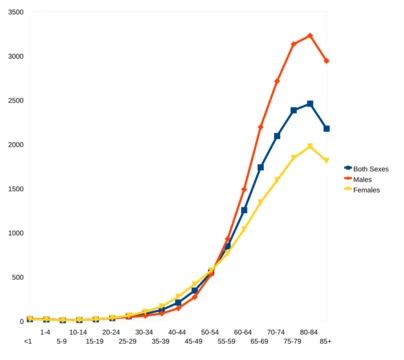
Effort incontinence
Involuntary urine leakage during physical exertion due to sphincter weakness.

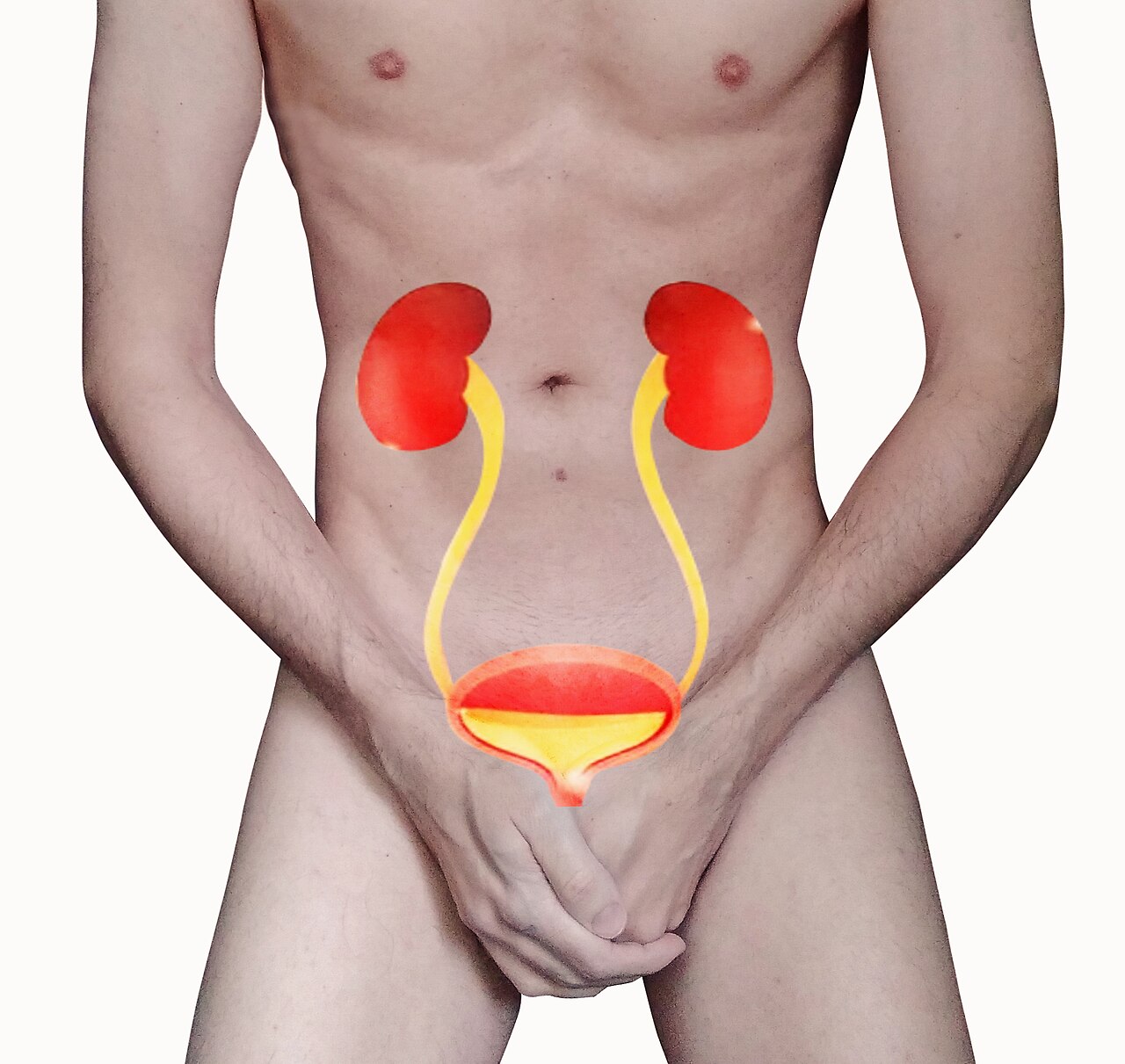
MungoJerry69 · CC BY-SA 4.0
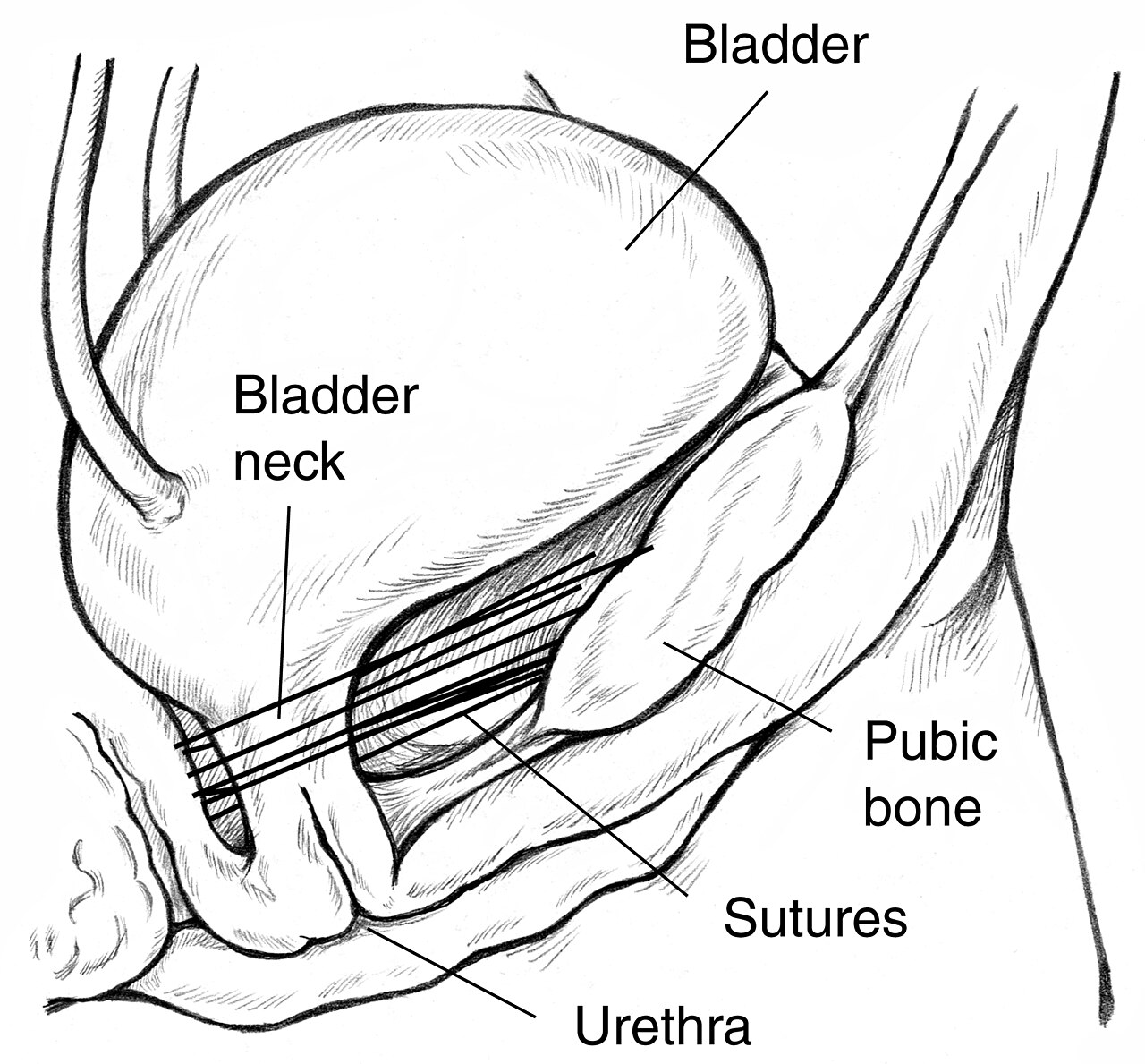
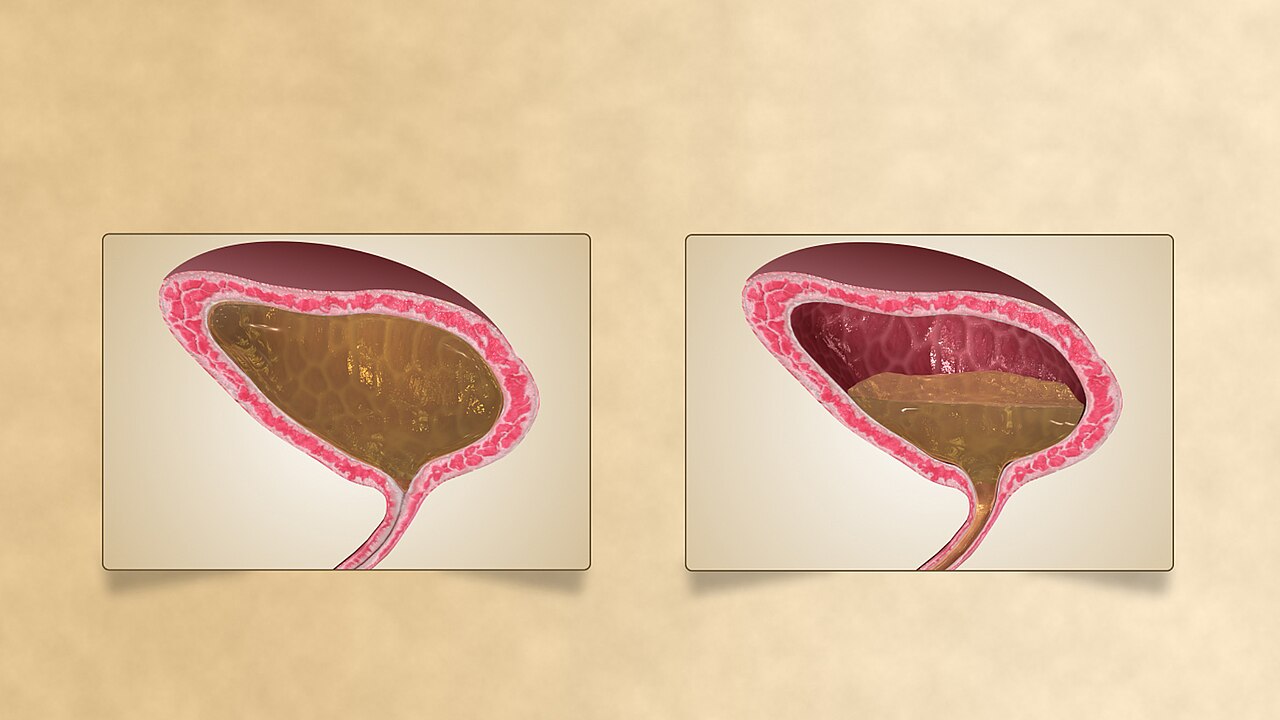
Effort incontinence is a term sometimes used to describe stress urinary incontinence, a condition characterized by the involuntary leakage of urine during activities that increase abdominal pressure, such as coughing, sneezing, laughing, or lifting. It is a common and distressing problem, particularly in older women, and can significantly affect quality of life. The condition results from a poorly functioning urethral sphincter muscle or hypermobility of the bladder neck or urethra.
- type
- Medical condition
- also known as
- Stress urinary incontinence
- common in
- Older women
- risk factors
- Pelvic surgery, pregnancy, childbirth, menopause
- key mechanism
- Incompetent urethral sphincter closure
- treatment
- Behavioral therapy, pelvic floor muscle training, surgery
Lore & Background
Effort incontinence, more formally known as stress urinary incontinence, occurs when the urethral sphincter cannot close completely, often due to damage to the sphincter itself or the surrounding supportive tissue. In women, this damage is most commonly caused by loss of support of the urethra as a consequence of pregnancy, childbirth, obesity, or age. About 33% of all women experience urinary incontinence after giving birth, and those who deliver vaginally are about twice as likely to have it as those who have a Caesarean section. In men, stress incontinence most commonly happens after prostate surgery, such as prostatectomy or transurethral resection of the prostate, which can damage the urethral sphincter and surrounding tissue.
Reader's Guide
Effort incontinence represents a significant stigmatized medical condition that creates barriers to successful management, as people may be too embarrassed to seek medical help and attempt to self-manage in secrecy. The condition is under-reported to medical practitioners despite being a common and distressing problem. Treatments that incorporate behavioral therapy are more likely to improve or cure stress incontinence, while there is limited evidence to support the benefit of hormones and periurethral bulking agents. The complications and long-term safety of treatments are variable. Understanding effort incontinence is crucial for geriatric health care, as it is an important issue in older women and can have a profound effect on quality of life. The condition highlights the need for open discussion and effective management strategies to reduce stigma and improve outcomes.
Did You Know?
- Effort incontinence is characterized by leaking of small amounts of urine with activities that increase abdominal pressure such as coughing, sneezing, laughing and lifting.
- About 33% of all women experience urinary incontinence after giving birth, and women who deliver vaginally are about twice as likely to have it as those who give birth via a Caesarean section.
- In men, stress urinary incontinence most commonly happens after prostate surgery, such as prostatectomy or transurethral resection of the prostate.
- Frequent exercise in high-impact activities can cause athletic incontinence to develop.
The Hidden Burden of Stigma
Urinary incontinence is a condition that touches millions of lives yet remains shrouded in silence. Because it carries a heavy social stigma, many affected individuals find themselves too embarrassed to approach a medical professional for help. Instead, they attempt to manage the symptom privately, hiding their struggle from family, friends, and colleagues. This secrecy creates a vicious cycle: the condition worsens because it goes untreated, and the emotional toll deepens as the person isolates further. The problem is especially prevalent among older women, where it has been recognized as a critical concern within geriatric health care. Despite its commonality and the profound effect it can have on everyday well-being, urinary incontinence remains under-reported to practitioners. The combination of shame and the perception that the condition is simply an unavoidable part of aging means that many people never receive the assessment or intervention they could benefit from. Breaking this cycle of silence is essential to improving outcomes for those living with involuntary urination.
A Mosaic of Causes
The origins of urinary incontinence are far more varied than most people realize. Urologic causes can be traced to either bladder dysfunction—such as detrusor overactivity or poor bladder compliance—or to urethral sphincter incompetence, including urethral hypermobility and intrinsic sphincter deficiency. Beyond the urinary tract itself, a wide range of non-urologic factors can contribute, including infections, certain medications, psychological stress, excessive urine production, hydrocephalus, stool impaction, and limited physical mobility. Major risk factors span pregnancy, childbirth, pelvic surgery, menopause, and even attention deficit hyperactivity disorder. In women, the decline in estrogen after menopause can lead to thinning and weakening of urethral tissue, while damage to pelvic support structures from childbirth or obesity undermines urethral support. In men, an enlarged prostate is a frequent trigger, and various prostate procedures can compromise the sphincter. Age itself escalates both the severity and prevalence of the condition in both sexes, and additional contributors such as smoking, caffeine consumption, and depression have also been identified.
Four Faces of Involuntary Leakage
Clinicians recognize four principal categories of urinary incontinence, each with its own underlying mechanism. Urge incontinence arises from an overactive bladder, where uninhibited contractions of the detrusor muscle produce a sudden, intense need to void that outruns the person's ability to reach a toilet. Stress incontinence, by contrast, involves small-volume leaks triggered by activities that raise abdominal pressure—coughing, sneezing, laughing, or lifting—because the urethral sphincter or surrounding support tissue cannot maintain a seal. Overflow incontinence stems from either a bladder that fails to contract adequately or a physical blockage of the urethra. Mixed incontinence blends features of two or more of these patterns. In women, stress and urge types are the most prevalent, and roughly a third of all women report incontinence after delivery, with vaginal birth carrying about double the risk compared with Caesarean section. In men, urge incontinence leads, often linked to benign prostatic hyperplasia, while stress incontinence typically follows prostate surgery. High-impact athletic activity can also precipitate a form of stress leakage in active individuals.
Paths Toward Relief
Management of urinary incontinence spans a broad spectrum of interventions, from conservative to surgical. Behavioral therapy, pelvic floor muscle training, and structured bladder retraining sit at the foundation of treatment, and approaches that incorporate behavioral components show the strongest likelihood of improving or even curing stress, urge, and mixed incontinence. Medication and electrical stimulation offer additional options, while surgery remains available for more severe or refractory cases. However, the evidence base for hormonal therapies and periurethral bulking agents remains limited, and the long-term safety profile of various treatments varies considerably. For men who develop stress incontinence after prostate procedures such as prostatectomy, transurethral resection, brachytherapy, or radiotherapy, continence typically recovers within six to twelve months without targeted intervention, and only a small minority—roughly five to ten percent—report persistent symptoms. The variable nature of treatment outcomes underscores the importance of individualized care plans and realistic expectations for those seeking relief from involuntary urination.
Gallery
Frequently Asked Questions
Who is Effort incontinence?
Effort incontinence is the informal name for stress urinary incontinence, a condition in which small volumes of urine leak involuntarily whenever abdominal pressure spikes—during a cough, sneeze, laugh, or heavy lift. It is a mechanical closure problem rather than a voluntary muscle failure.
What are Effort incontinence's powers/role?
The condition exploits a urethral sphincter that cannot generate enough closing force, or a bladder neck and urethra that shift too freely under pressure, so the normal seal simply gives way. The result is a brief, uncontrolled dribble rather than a full-bladder voiding episode.
How does Effort incontinence's story end?
For most patients the arc resolves through behavioral changes and a structured pelvic-floor muscle-training program that rebuilds sphincter support over weeks to months. When those conservative steps are insufficient, surgical options such as a mid-urethral sling can restore adequate closure and end the leakage.
Why is Effort incontinence important?
It hits older women especially hard and can quietly erode quality of life, because the fear of a public leak drives people to skip exercise, social gatherings, and even basic daily tasks. Recognizing it as a treatable medical condition—rather than an inevitable part of aging—encourages patients to seek help earlier.
Who is most affected by Effort incontinence?
Older women represent the highest-risk group, and the likelihood climbs after events that strain the pelvic floor, including multiple pregnancies, vaginal deliveries, pelvic surgery, and the estrogen decline that accompanies menopause.
More in Aging-associated diseases 1-24
Spotted an error? Know more?
This is a living reference — every entry is fact-audited, and reader corrections feed straight into our audit queue. Suggest an edit · See this site's audit record