Arthritis
A joint disorder from cartilage loss causing bone-on-bone grinding.

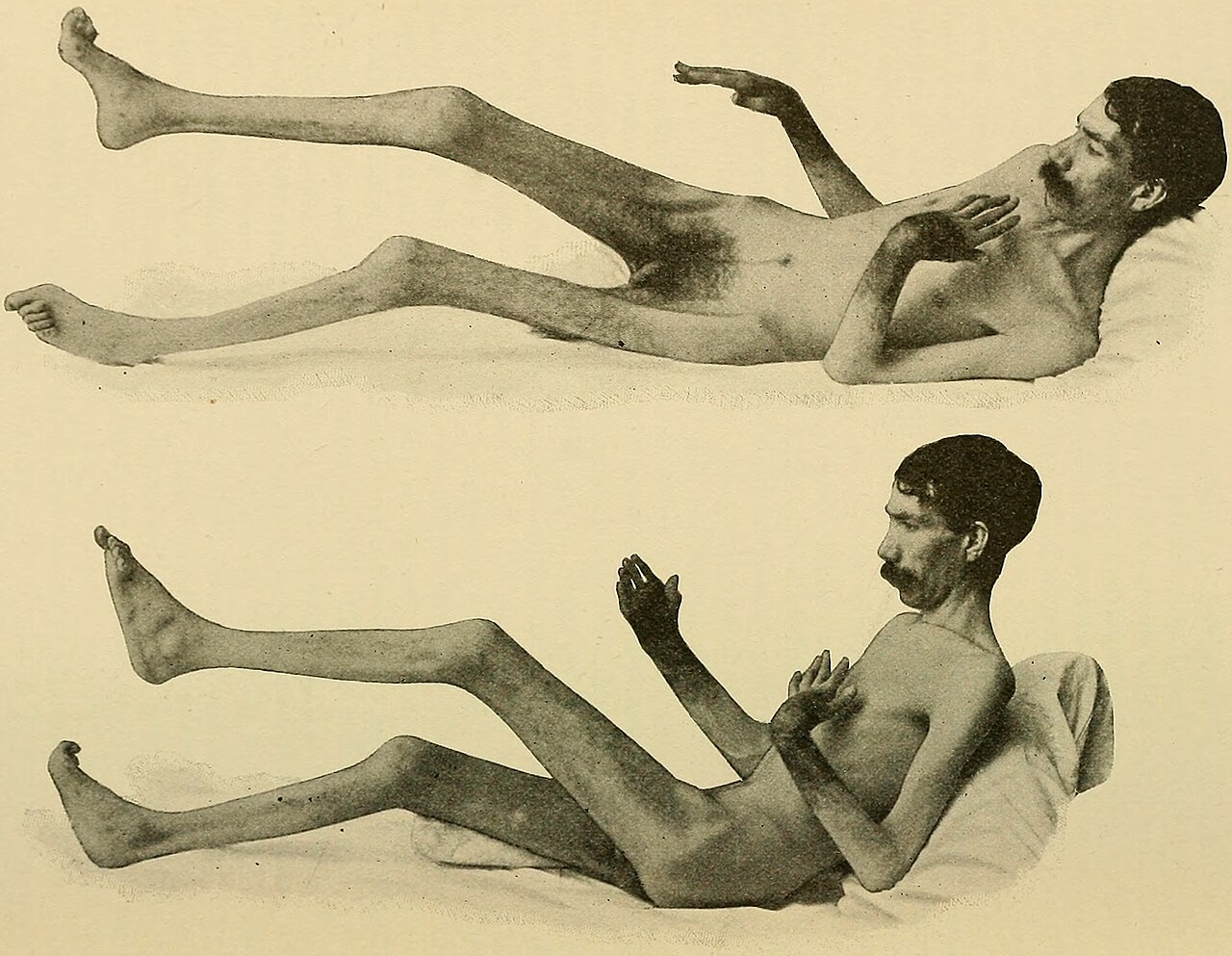
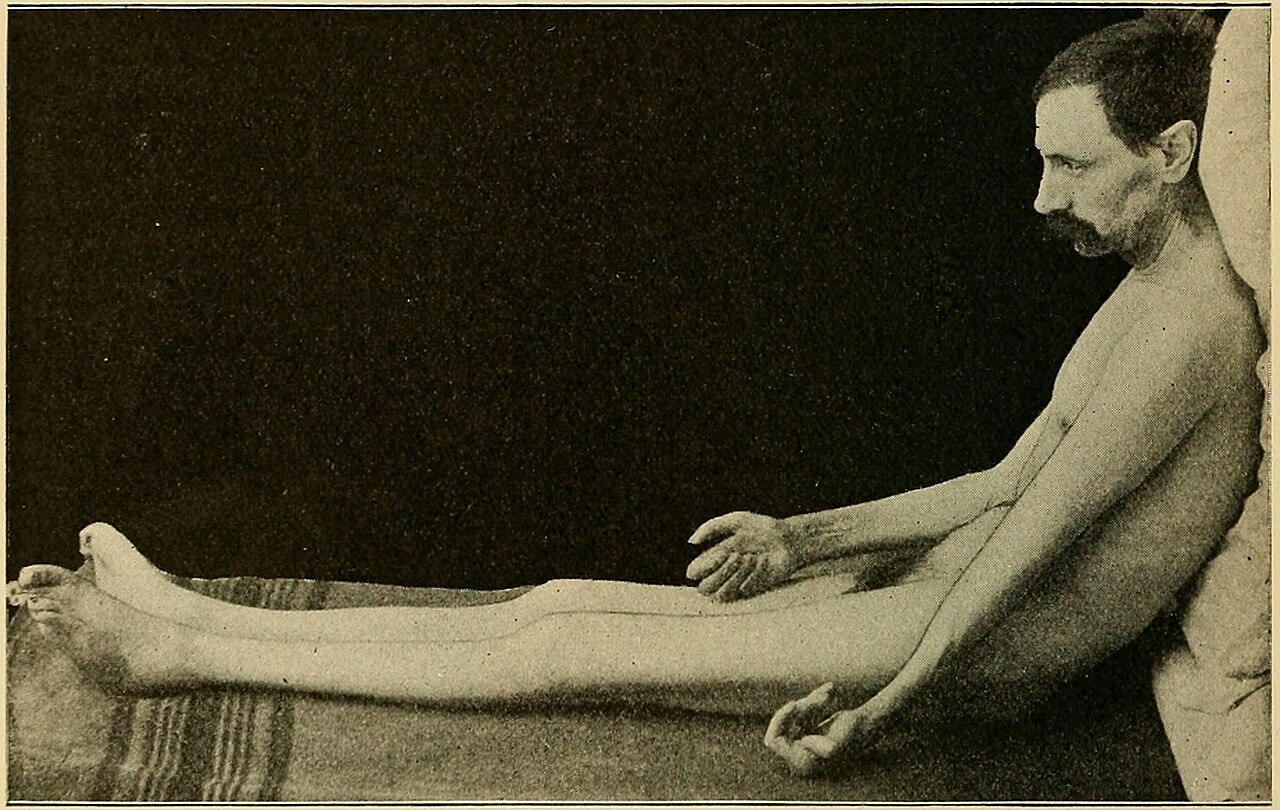
Alfred Loomis & William Thompson · Public domain
Arthritis refers to a group of conditions where the protective cartilage inside a joint wears away, so bones rub directly against each other during movement. This can cause pain, stiffness, and sometimes redness, warmth, or swelling in the affected joint, along with a reduced ability to move it fully. Some forms of arthritis also involve other body parts, like the skin. The condition may develop slowly or appear suddenly.
The most common type is osteoarthritis, which typically emerges with age and often targets weight-bearing joints such as the hips, knees, and shoulders, as well as the fingers. Rheumatoid arthritis, the second most common form, is an autoimmune disorder where the immune system attacks the joint lining, frequently affecting the hands and feet. Other types include gout, lupus, spondyloarthritis, and septic arthritis—all inflammatory rheumatic diseases. Gout results from excess uric acid forming crystals in joints, often in the toes, due to factors like diet or the body’s ability to clear uric acid.
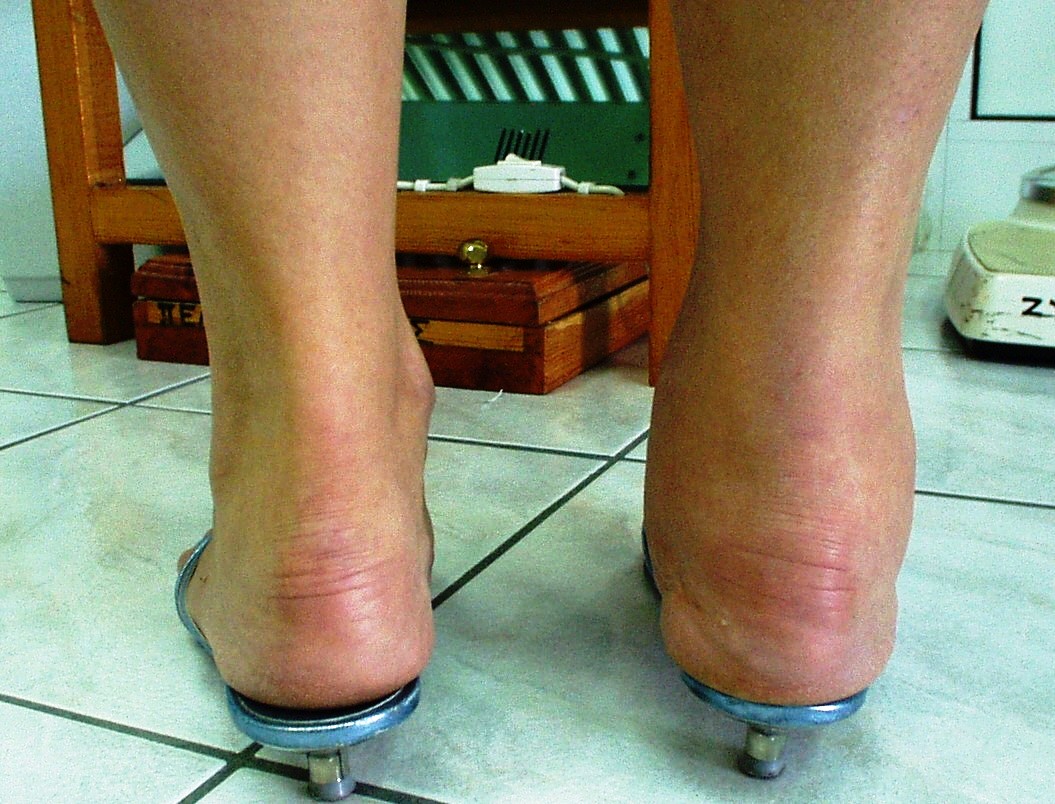
Several factors contribute to arthritis, depending on the type. Osteoarthritis stems from cartilage damage due to injury or long-term wear, sometimes worsened by further injury or infection. In rheumatoid arthritis, the immune system attacks the joint capsule, causing inflammation and swelling. Additional forms include ankylosing spondylitis, juvenile idiopathic arthritis, psoriatic arthritis, and reactive arthritis.
Risk factors vary. For osteoarthritis, obesity, prior joint injury, joint type, and muscle strength play a role. For inflammatory arthritis like rheumatoid arthritis or lupus arthritis, the strongest risks are being female, having a family history, age, obesity, previous joint damage, and exposure to tobacco smoke. Smoking is particularly linked to developing rheumatoid arthritis.
Diagnosis involves a clinical exam by a health professional, possibly supported by imaging or blood tests. Pain patterns differ: rheumatoid arthritis tends to be worse in the morning with stiffness lasting over half an hour, while osteoarthritis pain often worsens with activity.
Early treatment usually includes resting the joint and conservative measures like heat or ice. Weight loss and exercise can reduce stress on weight-bearing joints. Medications depend on the arthritis type and may include anti-inflammatories like ibuprofen or paracetamol (acetamin
- field
- Medicine
- known_for
- Joint disorder causing pain, stiffness, and loss of cartilage
- most_common_form
- Osteoarthritis
- second_most_common_form
- Rheumatoid arthritis
- prevalence_in_Australia
- About 15% of people
- prevalence_in_United_States
- More than 20% of people
Lore & Background
Arthritis encompasses several types, with osteoarthritis being the most common, affecting over 3.8% of people, and rheumatoid arthritis the second most common, affecting about 0.24% of people. Osteoarthritis usually occurs with aging and often affects weight-bearing joints like hips, knees, shoulders, and fingers. Rheumatoid arthritis is an autoimmune disorder that often affects the hands and feet. Other types include gout, lupus, spondyloarthritis, and septic arthritis, which are inflammatory-based rheumatic diseases.
Causes vary by type: osteoarthritis results from joint cartilage damage due to prior injury or long-term wear-and-tear; rheumatoid arthritis involves the immune system attacking the joint capsule lining; gout is caused by excessive uric acid leading to urate crystal deposits in joints. Risk factors include obesity, prior joint injury, female sex, family history, age, and tobacco smoke exposure. Diagnosis is made through clinical examination, radiologic imaging, and blood tests such as rheumatoid factor and anti-CCP antibodies.
Reader's Guide
Arthritis is a significant medical condition due to its high prevalence and impact on daily life. It is a common reason people are unable to carry out their work and can result in decreased ability to complete activities of daily living. The term is derived from arthr- (meaning 'joint') and -itis (meaning 'inflammation'). Early treatment includes resting the affected joint, heating or icing, weight loss, and exercise. Medications such as ibuprofen and paracetamol (acetaminophen) are used depending on the form. In severe cases, joint replacement surgery may be necessary. The condition becomes more common with age, and its various forms require different diagnostic and management approaches, highlighting the importance of accurate classification and individualized care.
Did You Know?
- Osteoarthritis affects more than 3.8% of people, while rheumatoid arthritis affects about 0.24% of people.
- In Australia about 15% of people are affected by arthritis, while in the United States more than 20% have a type of arthritis.
- The term arthritis is derived from arthr- (meaning 'joint') and -itis (meaning 'inflammation').
- Smoking has been linked to an increased susceptibility of developing arthritis, particularly rheumatoid arthritis.
Classification and Place Among Age-Related Conditions
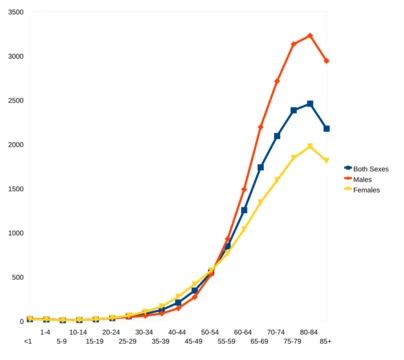
Arthritis is formally categorized as an aging-associated disease, a term that designates conditions whose prevalence climbs steadily as organisms grow older. Crucially, this label does not conflate the condition with the aging process itself. Every adult animal ages—with only rare exceptions—yet not every adult animal develops arthritis or any other age-associated ailment. The classification also draws a clear boundary: arthritis is not an age-specific illness in the way that chickenpox or measles are confined to childhood, nor is it an accelerated-aging syndrome, which are genetic disorders that compress the timeline of deterioration. In the broader taxonomy of senescence-linked conditions, arthritis sits alongside atherosclerosis, cancer, cataracts, osteoporosis, type 2 diabetes, hypertension, and Alzheimer's disease. A defining statistical feature shared by all of these conditions, including arthritis, is that their incidence rises exponentially as age advances, making advanced years the single most powerful predictor of developing the disease.
Global Burden and Demographic Weight
The human toll of aging-associated conditions, of which arthritis is a prominent member, is staggering on a global scale. Of the roughly 150,000 people who die each day worldwide, approximately two-thirds—around 100,000 individuals—succumb to causes linked to the aging process. In industrialized nations, that proportion climbs even higher, reaching as much as 90 percent of all deaths. Arthritis, with its exponentially rising incidence in later decades, forms part of this vast demographic weight. The underlying biology is consistent: senescence itself elevates vulnerability to these conditions, while genetic factors shape the degree of susceptibility both between different species and among individuals within a single species. This means that two people of the same chronological age may face markedly different risks, a variation rooted in their unique genetic architecture. The sheer scale of these statistics underscores why arthritis and its companion conditions remain among the most pressing public-health challenges of the modern era, particularly in societies where life expectancy has pushed large populations into the age brackets where these diseases become most prevalent.
Research Frontiers and Biological Mechanisms
Understanding the biological roots of arthritis and related aging-associated diseases has become a central focus of biogerontology. Researchers increasingly view the study of these conditions as a pathway into the fundamental biology of senescence, much as knowledge of childhood diseases once advanced understanding of human development. DNA damage has emerged as a major culprit in cancer and numerous other aging-related illnesses, with the type, quantity, and cellular location of the damage, the specific cell type affected, its position in the cell cycle, and the available repair mechanisms all influencing whether a disease manifests. The SENS programme represents an ambitious research strategy that identifies seven distinct categories of aging-related damage and proposes feasible medical interventions to periodically repair each, aiming to maintain a youth-like physiological state indefinitely. Critics, however, caution that the aging process may be too complex and insufficiently understood for such a programme to be scientifically implementable in the foreseeable future. Additionally, it has been proposed that age-related diseases, including arthritis, are mediated by self-reinforcing vicious cycles that compound damage over time.
Comparative Biology and Genetic Variation
A striking feature of aging-associated diseases, including arthritis, is that they do not affect all species uniformly. While humans, dogs, and rabbits can develop Alzheimer's disease, rodents simply do not. Elderly rodents tend to die of cancer or kidney disease rather than cardiovascular conditions, illustrating that the specific disease portfolio shifts dramatically across the animal kingdom. Genetic syndromes further highlight this variability: individuals with Werner's syndrome, a form of segmental progeria, experience osteoporosis, cataracts, and cardiovascular disease but are spared neurodegeneration and Alzheimer's. Those with Down syndrome face elevated risks of type 2 diabetes and Alzheimer's yet do not develop high blood pressure, osteoporosis, or cataracts. In Bloom syndrome, cancer is the predominant cause of death. These patterns demonstrate that the link between aging and any single disease, arthritis included, is mediated by a complex interplay of genetic background and species-specific biology. No single organism is condemned to the full spectrum of age-related ailments, and the particular combination that emerges depends on deeply rooted biological differences that science is only beginning to map.
Gallery

Frequently Asked Questions
Who is Arthritis?
Arthritis is a collective term for a family of conditions in which the cartilage cushioning a joint breaks down, leaving bone surfaces to grind directly against one another during movement. It is not a single disorder but a group of related joint-affecting diseases.
What are Arthritis's powers/role?
Its core effect is to strip away the protective cartilage layer, producing pain, stiffness, swelling, and warmth in the affected joint while narrowing its range of motion. Certain variants extend their reach beyond the joint to involve the skin and other tissues.
How does Arthritis's story end?
In most cases the condition unfolds slowly over years, with progressive cartilage loss and a gradual reduction in joint function. There is no single definitive cure; long-term management aims to slow the progression and preserve as much mobility as possible.
Why is Arthritis important?
It affects a remarkably large share of the adult population, with more than 20 percent of people in the United States and roughly 15 percent in Australia living with some form of the condition. Its sheer prevalence makes it one of the most widespread aging-associated disorders in modern medicine.
Where does Arthritis typically strike?
The most common form, osteoarthritis, tends to target weight-bearing joints such as the hips, knees, and shoulders, as well as the fingers. Rheumatoid arthritis is the second most common variant and can follow a different pattern of joint involvement.
More in Aging-associated diseases 1-24
Spotted an error? Know more?
This is a living reference — every entry is fact-audited, and reader corrections feed straight into our audit queue. Suggest an edit · See this site's audit record