Bone health
Bone health involves strength, density, and systemic balance.

Department of Health and Human Services. National Institutes of Health. National · Public domain
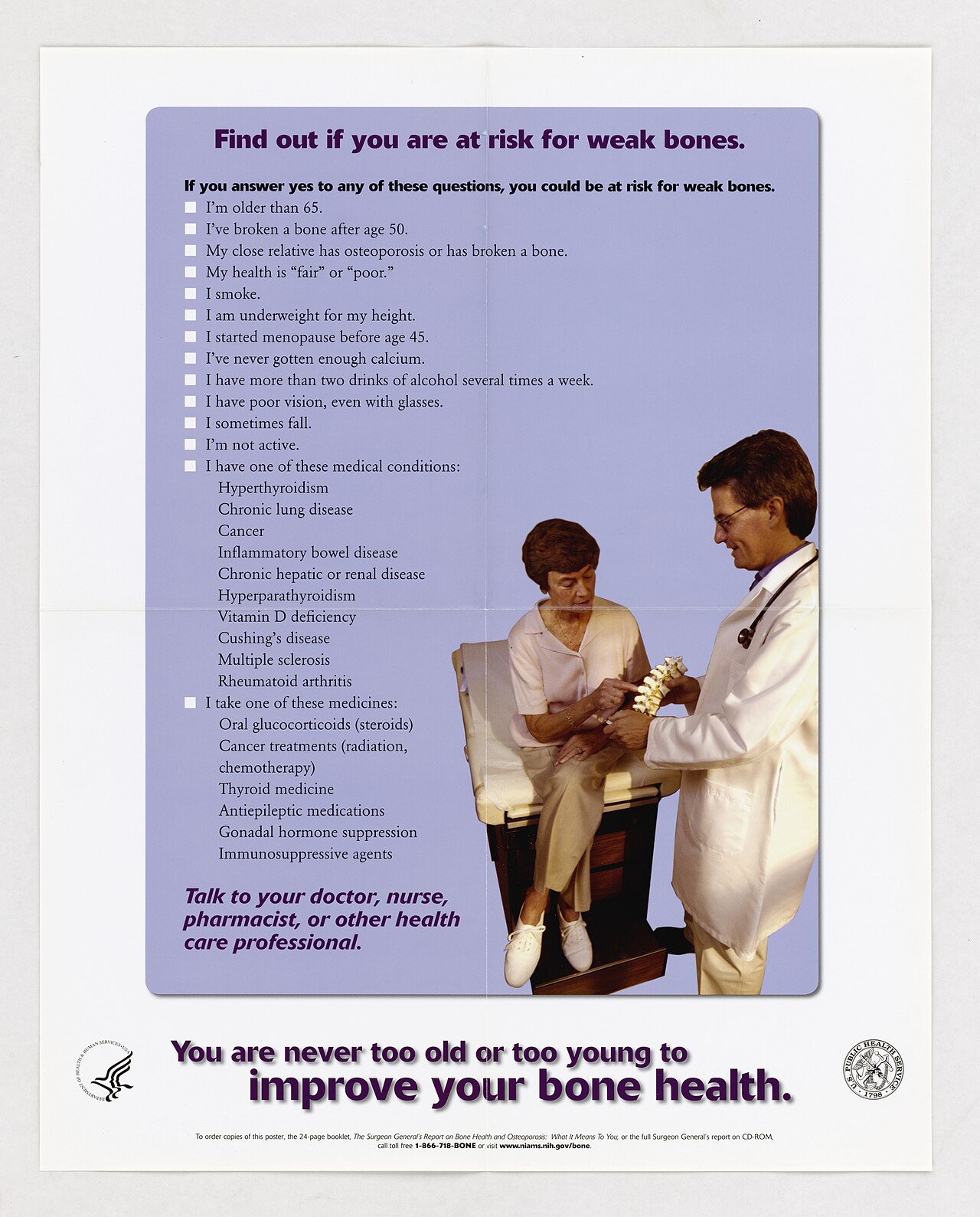
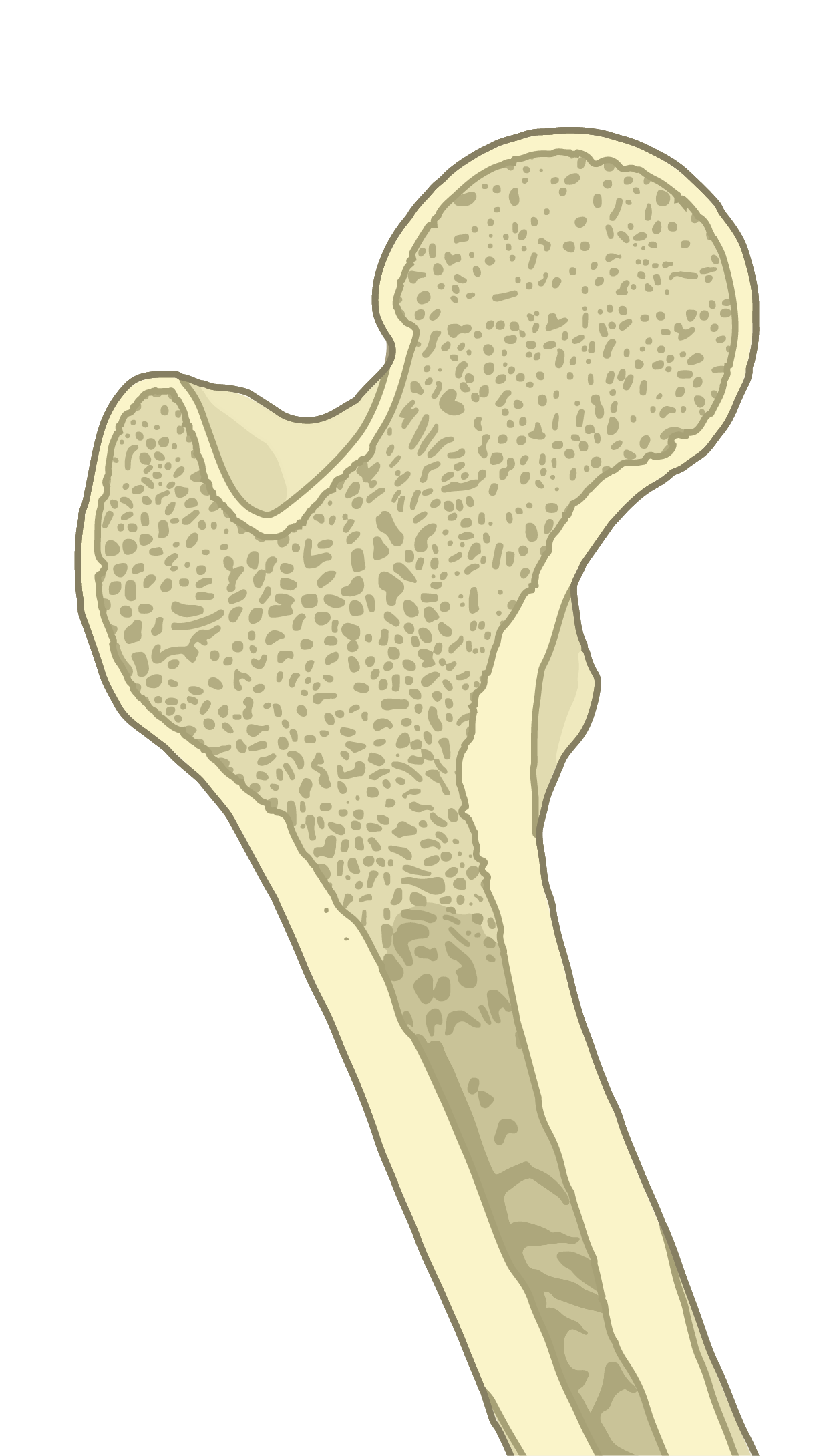
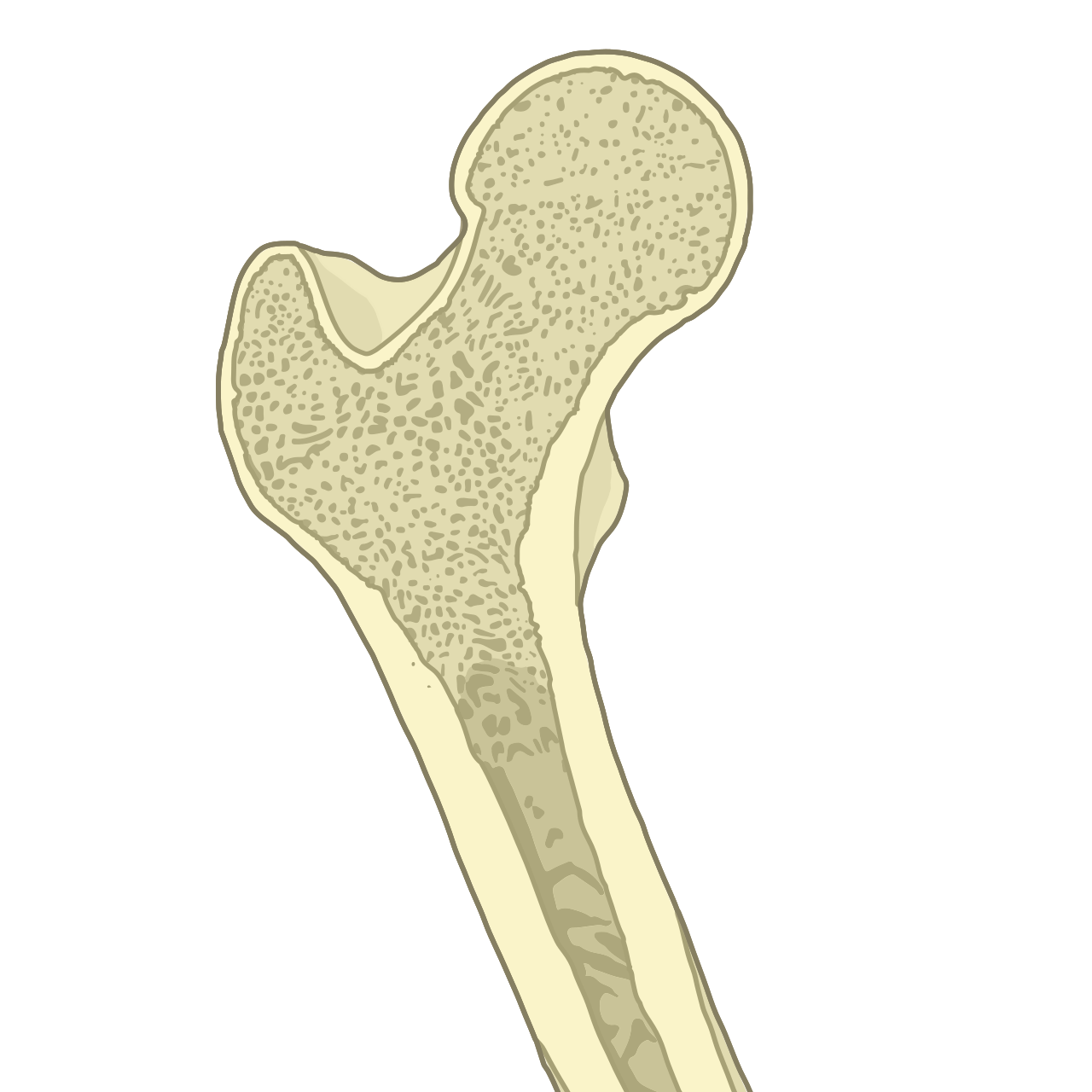
Bone health describes the strength and overall condition of the skeleton, which is essential for movement, fracture prevention, and general wellness across a person’s lifetime. Genetics, diet, exercise, and hormone levels all play a role. Healthy bones have sufficient bone mineral density (BMD) and good internal structure, which together create strength. A major concern, especially for older adults, is osteoporosis—a condition where bones become weak and fracture more easily. To maintain good bone health, people need enough calcium and vitamin D, regular weight-bearing activity, and should avoid smoking and heavy drinking. Newer research also points to the gut microbiome as a factor, showing that many body systems interact to keep the skeleton strong.
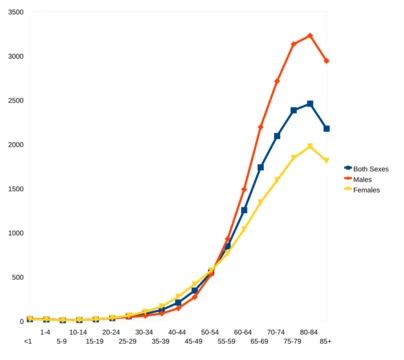
The skeleton is not static; it constantly remodels in coordination with the rest of the body. Beyond support and structure, bones serve as the main storage site for minerals and compounds that help maintain a stable pH. Aging naturally weakens bones, making older people especially vulnerable to poor bone health. Osteoporosis, which involves a breakdown of the bone’s structural matrix, raises the risk of serious injuries like hip fractures, which can lead to lasting disability. In 2010, more than 258,000 Americans aged 65 and older were hospitalized for hip fractures. That number is projected to rise by 12% in the United States, reaching about 289,000 hospitalizations by 2030. Other estimates suggest up to 1.5 million Americans suffer an osteoporotic fracture each year. The financial burden is also heavy: in 1991, Medicare spent roughly $2.9 billion on hip fracture treatment and outpatient care, and costs are expected to keep climbing.
**Amino acid metabolism** When the body takes in more sulfur-containing amino acids—methionine and cystine—than it needs for growth and repair, it breaks them down, producing sulfate and sulfuric acid. Animal foods like meat, dairy, and eggs are high in protein, and research from the early 1900s onward has linked high-protein diets to increased acid excretion in urine. One way to measure a food’s acid or base effect is the Potential Renal Acid Load (PRAL). Cheeses with at least 15 grams of protein per 100 grams have a high PRAL of 23.6 mEq per 100 grams. Meats, fish, other cheeses, and flour or noodles have a PRAL around 8.0 mEq per 100 grams, while fruits and vegetables have
- field
- Human physiology and skeletal health
- known_for
- Bone mineral density, osteoporosis, and the influence of diet and pH on bone remodeling
- key_factors
- Calcium, vitamin D, weight-bearing exercise, smoking, alcohol, gut microbiome
- major_disorder
- Osteoporosis
- diagnostic_tool
- Dual-energy X-ray absorptiometry (DXA)
Lore & Background
The human skeletal system is a dynamic structure that consistently works in balance with the rest of the body. In addition to supporting and giving structure to the body, bone is the major reservoir for many minerals and compounds essential for maintaining a healthy pH balance. The deterioration of the body with age renders the elderly particularly susceptible to and affected by poor bone health. Illnesses like osteoporosis, characterized by weakening of the bone's structural matrix, increases the risk of hip-fractures and other life-changing secondary symptoms.
Reader's Guide
Bone health is significant because it underpins mobility, fracture prevention, and overall well-being across the lifespan. Osteoporosis, a condition of compromised bone strength, is a major concern especially among older adults, leading to increased fracture risk and substantial healthcare costs. Maintaining good bone health involves adequate calcium and vitamin D intake, regular weight-bearing exercise, and avoiding smoking and excessive alcohol consumption. Recent research highlights the potential role of the gut microbiome in skeletal integrity. Bone remodeling is directly affected by pH: osteoclast cells, which resorb bone, are most active at pH 6.8 and show little activity at pH 7.4, while osteoblast cells, which build bone, are most active at pH 7.4 and inactive at pH 6.9. Protein consumption can benefit bone density by providing amino acid substrates and influencing hormones like IGF-I and PTH, though no significant association exists between protein intake and fracture incidence. Homocysteine, elevated by deficiencies in folate, vitamin B12, and B6, negatively affects bone by increasing osteoclast activity, decreasing osteoblast activity, and inhibiting lysyl oxidase, which is essential for collagen structure. Physical activity reduces homocysteine levels and promotes positive bone remodeling.
Did You Know?
- A drop in pH of less than 0.1 units can cause a 100% increase in osteoclast cell activity.
- Osteoclast cells show little or no activity at pH 7.4 and are most active at pH 6.8.
- Osteoblast cells are at peak activity at pH 7.4 and non-existent at pH 6.9.
- Homocysteine inhibits lysyl oxidase, which is responsible for post-translational modifications of collagen.
Gallery

Frequently Asked Questions
Who is Bone health?
Bone health is the collective condition of a person's skeleton, covering mineral density, internal architecture, and the systemic balance that keeps the framework strong from youth through old age. It sits at the intersection of human physiology and skeletal biology, with bone mineral density and remodeling dynamics as its most recognized traits.
What are Bone health's powers/role?
It acts as the body's structural support system, enabling movement, shielding internal organs, and serving as a calcium reservoir that other organ systems draw from. Its strength depends on a continuous remodeling cycle in which old bone tissue is resorbed and new tissue is laid down, a process heavily influenced by diet, hormones, and mechanical loading.
How does Bone health's story end?
In its most dramatic decline, Bone health gives way to osteoporosis, a condition where mineral density drops sharply and the internal trabecular network thins, making even minor bumps enough to cause fractures. This arc is especially common in older adults whose shifting hormone levels accelerate bone resorption outpacing bone formation.
Why is Bone health important?
Without adequate skeletal strength, everyday tasks like walking, climbing stairs, or lifting groceries become genuinely risky, and the body loses its primary buffer for regulating blood calcium. It also underpins posture, joint mechanics, and a person's ability to remain physically independent well into later life.
What are Bone health's key allies and rivals?
Its most reliable allies include sufficient calcium and vitamin D intake, consistent weight-bearing exercise, and a healthy gut microbiome that supports mineral absorption. On the antagonist side, smoking, chronic excessive alcohol use, and persistently low systemic pH all tip the remodeling balance toward bone breakdown.
More in Aging-associated diseases 1-24
Spotted an error? Know more?
This is a living reference — every entry is fact-audited, and reader corrections feed straight into our audit queue. Suggest an edit · See this site's audit record