Knee arthritis
Inflammation of the knee joint from various arthritic conditions.

Knee arthritis is a debilitating condition affecting the knee joint, characterized by inflammation. The knee can be affected by almost any form of arthritis, including osteoarthritis, rheumatoid arthritis, and gout. It is a common source of pain and disability, particularly in older populations.
- Common forms
- Osteoarthritis, rheumatoid arthritis, gout, reactive arthritis, SLE-related arthritis
- Key risk factors
- Obesity, past joint injury, flat feet, advanced age, female sex, genetic predisposition
- Diagnostic tools
- Physical exam, medical imaging, blood tests, KOOS, WOMAC
- Treatments
- Medications, injections, orthotics, exercise, surgery
- Notable complication
- Avascular necrosis in SLE-related knee arthritis
Lore & Background
Knee arthritis encompasses multiple types, each with distinct causes. Osteoarthritis results from cartilage breakdown due to wear and tear, with obesity and flat feet as significant risk factors. Rheumatoid arthritis is an autoimmune form that often first appears in small joints but can also affect the knees. Gouty arthritis of the knee presents with rapid-onset pain and swelling, often without skin symptoms. Reactive arthritis frequently involves the knee as part of lower limb oligoarthritis.
Reader's Guide
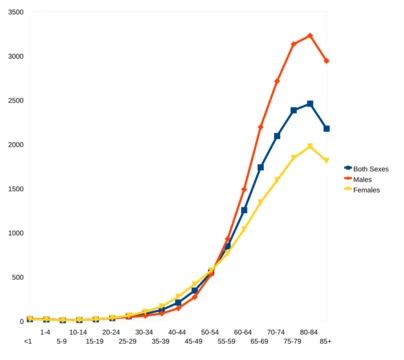
Knee arthritis is a major cause of disability, with nearly a third of US citizens affected by knee osteoarthritis by age 70. Management ranges from lifestyle changes like weight loss and exercise to pharmaceutical interventions such as NSAIDs, corticosteroids, and hyaluronic acid injections. The merits of hyaluronic acid injections remain disputed, with benefits varying by patient. Surgical options, including knee replacement, are considered when other treatments fail. The condition's significance lies in its high prevalence and the variety of underlying causes, requiring tailored treatment approaches.
Did You Know?
- About 13-20% of US citizens are affected by osteoarthritis of the knee by age 70.
- Obesity increases the risk of knee osteoarthritis proportionally to body weight.
- Flat feet are a significant risk factor for developing knee osteoarthritis.
- Hyaluronic acid injections for knee osteoarthritis may provide modest symptom relief lasting up to 6 months, at most a year.
More in Aging-associated diseases 1-24
Spotted an error? Know more?
This is a living reference — every entry is fact-audited, and reader corrections feed straight into our audit queue. Suggest an edit · See this site's audit record